From the outside, scrapping looks like a single event: a tow truck arrives and the car disappears. Behind that moment is a chain of separate tasks handled by different parties, from valuing the vehicle to recycling its fluids. Knowing who does what in a singapore scrap car transaction lets owners understand what they are paying for, what they can do themselves and where a service genuinely saves them time and money.
The Quotation Stage
Most services begin with a request for basic details: make, model, year, registration number and condition. From this they estimate a price for the vehicle itself and, often, an illustration of the rebates the owner can expect from the authorities. Owners should read the quotation carefully to see which figure the operator will actually pay and which will come from elsewhere. A good quote separates the two clearly. Asking for the quotation in writing also gives the owner something concrete to compare against other operators.
Inspection and Confirmation
Before committing, many operators inspect the car in person or ask for photographs. They check whether the engine runs, whether major parts are missing and whether there is accident damage. Missing catalytic converters, stripped interiors or flood damage can reduce the offer. If the quoted price changes after inspection, the operator should explain exactly why, and owners are entitled to decline at that point. Taking dated photographs before collection gives the owner a record of the car’s condition if the offer is later disputed.
Collection and Towing
A common reason owners use a service is collection. A car that does not run, or one that the owner cannot drive because its road tax or insurance has lapsed, must be towed. Some operators include towing in the price; others deduct it. Confirm whether there are charges for basements, tight car parks or weekend pick-ups, since these can affect the final payment. It is also worth asking how long the tow truck will take to arrive and whether the owner needs to be present at the handover.
Handling the Deregistration
Deregistration is the formal step that removes the car from the register and triggers the rebates. Many services offer to complete it on the owner’s behalf once the vehicle has been received at an approved yard. This is convenient, but owners should still receive confirmation from the authority directly, so that they know the process has been completed in their name and on the date agreed.
Payment for the Vehicle
The operator’s payment covers the car as a physical asset. It may be paid on collection, after deregistration or within a stated number of days. Payment by bank transfer leaves a clearer record than cash. When choosing a singapore scrap car service, ask in writing when the money will arrive and in what form, and treat vague answers with caution.
How the Rebates Reach the Owner
The PARF and COE rebates do not pass through the operator. They are paid by the authorities to the registered owner, or to the finance company first if a loan is outstanding. Operators that blur this distinction can make an offer appear larger than it is. A simple test is to ask how much the operator itself will pay if the rebates are left out of the conversation. The official portal shows the expected amounts, so owners can see the rebate figures for themselves rather than taking an illustration on trust.
Settling Any Outstanding Loan
Where a car is under finance, the service may liaise with the lender, but the obligation to settle remains with the borrower. The lender typically receives the rebates first and any balance goes to the owner. If the rebates fall short of the settlement amount, the owner must make up the difference. Clarifying this early prevents delays when the car is ready to go.
What Happens at the Yard
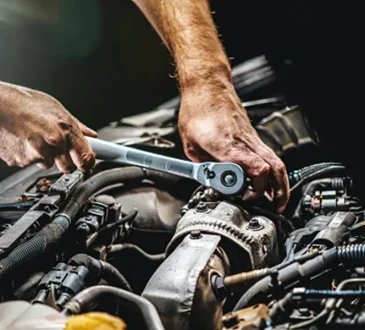
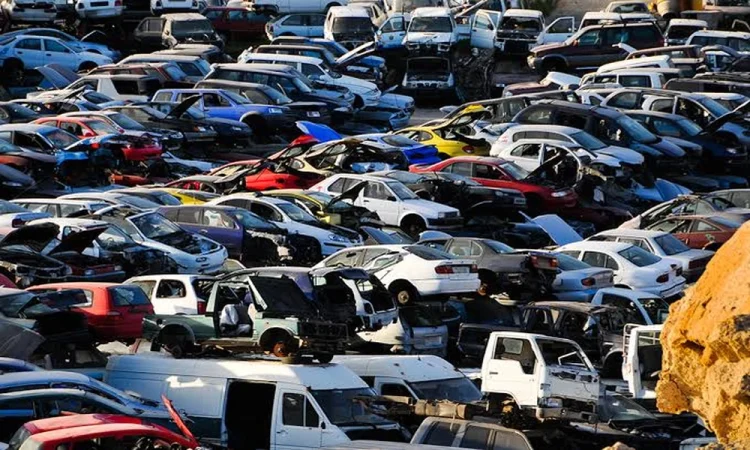
Once deregistered, the car is depolluted. Fuel, oil, coolant and refrigerant are drained and handled separately, batteries and tyres are removed, and useful parts may be salvaged for resale. The remaining shell is crushed and sent for metal recycling. Responsible yards follow proper environmental procedures, and owners can reasonably ask how waste fluids are treated. Many components, from alternators to body panels, re-enter the market as used parts, which is part of how yards fund what they pay owners.
When a Service Is Not Needed
Owners who can drive the car to a yard, are comfortable using the online deregistration portal and have no loan to settle may not need a full-service operator. In that case, the main decision is simply which approved yard offers a fair price and prompt payment. A full-service option makes the most sense for non-running cars, busy owners and anyone unfamiliar with the process. Even then, it pays to confirm collection is not needed and that the car can legally be driven to the yard on the planned day.
Choosing the Right Service
Compare operators on four points: the price for the vehicle itself, what is included in collection, how deregistration is handled and how quickly payment is made. Ask for everything in writing and confirm the yard is approved. Check reviews for comments about last-minute price changes. A clear, straightforward singapore scrap car service should make the whole process feel routine, which is exactly what most owners want.