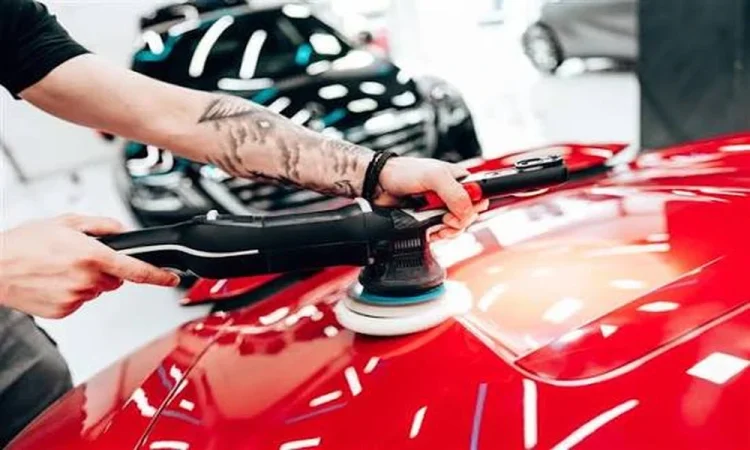
TL;DR: A Tesla’s clear coat in Tampa Bay fights three things at once – UV intense enough to hit NOAA’s “very high” to “extreme” range (8-11) most of the summer, salt air off the Gulf, and gravel kicked up on I-275 and I-75. The fix shops run is layered: ceramic coating across the body for UV and salt resistance, Tesla PPF on the front end and other impact zones, and heat-rejecting film on the glass. CoaterZ’s factory-trained technicians run this exact sequence on new Tesla deliveries across Tampa Bay, and the order the layers go on in matters as much as the products themselves.
This guide walks through the six-step process shops actually use to protect a Tesla’s paint against Florida sun, salt, and road wear in 2026 – not a basic wash-and-wax routine. Whether the car was delivered last week or has already logged a summer of beach runs, the sequence below treats sun, salt, and grit as three separate problems, because they damage paint in three different ways and need three different layers of defense.
What You’ll Need
- A paint inspection and PPF/ceramic coating appointment booked before heavy daily driving starts
- Ceramic coating rated for OEM clear coat, since Tesla’s factory clear coat runs thinner on some trims
- Tesla PPF sized for the front bumper, full hood, fenders, mirrors, and rocker panels at minimum
- pH-neutral wash soap and a two-bucket wash kit for ongoing maintenance
- Heat-rejection window film that meets Florida’s tint statute, which caps front side windows at 28% VLT
- A reminder set for a post-cure inspection about a month after install
For local installation enquiries, choose CoaterZ’s Lutz PPF, Palm Harbor PPF, or Sarasota PPF service page rather than a general Tampa page.
Step 1: Inspect and Decontaminate the Paint Before Anything Goes On
Before film or coating touches the car, the paint needs a clean, verified baseline. Transport wax, rail dust, and light swirl marks from delivery handling are common on new Teslas and they get sealed in permanently if skipped over.
A technician runs a paint depth gauge across every panel, clays or iron-removes the surface to lift bonded contaminants, then checks under raking light for swirl marks or light scratches in the clear coat. This step matters because ceramic coating and PPF both bond to whatever is on the surface when they’re applied – trapped grit or wax residue shows up as texture under the final finish.
If the inspection identifies defects that need correction, discuss that work before film or coating is applied. CoaterZ has dedicated pages for Lutz auto paint correction, Palm Harbor auto paint correction, and Sarasota auto paint correction. The expected outcome is a fully decontaminated, swirl-checked panel surface ready for coating or film adhesion. The common mistake here is skipping decontamination and going straight to coating, which locks dealer wax and road film under the ceramic layer instead of removing it.
Step 2: Apply Ceramic Coating Across the Painted Body
Ceramic coating is the base layer that handles UV and oxidation across the entire car, not just the panels that get filmed. This matters in Florida because the clear coat is under near-constant UV load for most of the year, and salt air along the coastline accelerates oxidation on top of that.
The coating goes on panel by panel and cures under controlled shop conditions rather than outdoors, where humidity and dust interfere with the chemical bond. Once cured, it leaves a hydrophobic, UV-resistant shell that beads water and makes salt residue and bug acid easier to rinse off before they etch into the clear coat.
The common mistake is applying ceramic coating over paint that hasn’t fully cured from a recent respray or touch-up panel, which traps solvent off-gassing underneath the coating.
Step 3: Install Tesla PPF on High-Impact Panels
Tesla PPF goes over the front bumper, full hood, fenders, mirrors, and rocker panels – the areas that take direct hits from gravel, sand, and construction debris on Gulf Coast highways. Ceramic coating handles sun and salt, but it doesn’t stop a rock chip at highway speed; paint protection film is the layer built to absorb that impact instead of the clear coat underneath.
Modern PPF uses a self-healing topcoat that closes light scratches and swirl marks with heat from the sun or a heat gun, which matters for a daily-driven Tesla that picks up marring from automated washes and parking lot contact. CoaterZ’s technicians plot the film pattern panel by panel rather than relying on a pre-cut kit built for a different model year, since Tesla’s panel gaps and front sensor cutouts need precise trimming to avoid gaps where salt and grit can get underneath the film edge.
Film goes down wet, squeegeed from center to edge, then heat-tucked at every seam, with the charge port door and emblem edges handled as separate wrap sections rather than skipped. Coverage decisions depend on budget and how the car is driven – a front-end-only install protects the highest-risk panels, while full-body coverage extends that protection everywhere. CoaterZ breaks down PPF coverage packages by area and what a full-car PPF install costs for exactly this decision.
The expected outcome is a near-invisible film layer across the most exposed panels that absorbs rock chips, resists yellowing, and self-heals light marring instead of passing that damage to the clear coat. The common mistake is choosing a precut kit sized for the wrong trim year or leaving mirror caps and door edges unfilmed – exactly where sand and salt first erode exposed clear coat on coastal routes.
Step 4: Treat the Glass for Heat and UV
Window film isn’t just privacy – it’s a heat-rejection layer, and it matters more on a Tesla than most cars because the glass roof and large windshield let in more direct sun than a typical sedan. Factory tint alone doesn’t block as much infrared heat as a dedicated ceramic window film does.
The installer fits ceramic window film on the roof glass, side windows, and windshield strip, selected by heat-rejection rating rather than darkness alone, and within Florida’s legal VLT limits. The expected outcome is a noticeably cooler cabin and less UV fade on dash plastics and seats over time.
The common mistake is picking tint purely for how dark it looks, which can leave the glass legal but still letting significant infrared heat through.
Step 5: Protect the Charge Port and Other EV-Specific Touch Points
The charge port door and surrounding panel take repeat contact every time the car plugs in, whether that’s a home charger every night or a Supercharger stop on a road trip. This area wears faster than the rest of the body because of repeated opening, cable drag, and salt-laden hand contact near coastal driveways and marinas.
Film or ceramic coating gets applied to the charge port door and surrounding panel as its own section during install, and home charger cable routing gets checked so the cable isn’t dragging across the rear quarter panel on a daily basis. The expected outcome is a charge port area protected at the same level as the rest of the car instead of being the one spot everyone forgets.
Step 6: Build a Salt-Aware Wash Routine
Coating and film only perform as long as salt and road grit get rinsed off before they sit and bond to the surface. Residue left on ceramic coating for weeks after a beach or causeway drive breaks down the hydrophobic layer faster than the same coating would wear inland.
The routine: rinse after any beach, marina, or causeway drive, wash every two weeks with pH-neutral soap and a two-bucket method, and avoid automated tunnel washes with spinning brushes that can catch and lift PPF edges. The expected outcome is coating that keeps beading water and PPF edges that stay sealed for the life of the film.
Common Mistakes That Shorten Tesla Paint Protection
PPF edges are lifting after a few months. This usually traces back to a brush car wash catching the film edge, or an edge that wasn’t fully heat-tucked during install. Get the edge re-sealed before moisture works underneath it.
Ceramic coating stopped beading water. Salt film and brake dust buildup can mask a coating that’s still intact underneath. A proper decontamination wash often restores beading without a full reapplication.
Can ceramic coating go over PPF? Yes – many Tampa Bay installs apply a ceramic topcoat over PPF to add gloss and make the film easier to keep clean, since the film itself isn’t naturally hydrophobic.
How soon can the car get washed after PPF install? Most installers recommend keeping the car dry for the first few days after install and skipping automated washes for about a week, giving the adhesive time to fully cure.
Tint looks slightly hazy right after install. Light haze or small bubbles are common in the first few days as the adhesive cures and should clear on their own; persistent haze after that point is worth a follow-up inspection.
Tools and Services Used in This Process
- Tesla PPF install on front-end and high-impact panels, installed by CoaterZ’s factory-trained technicians
- Ceramic coating for the full painted body, the UV and salt barrier referenced in Step 2
- pH-neutral wash soap and microfiber wash mitts for the Step 6 maintenance routine
- Heat-rejection window film rated and installed within Florida’s legal tint limits
FAQ
Does Tesla PPF actually stop rock chips on I-275 or I-75? Paint protection film is built to absorb impact from gravel and road debris rather than transferring it straight to the clear coat, which is why CoaterZ installs it first on front-facing panels before anything else.
How much does Tesla PPF cost in Tampa Bay? Pricing depends on coverage area – front-end-only versus full-body – and CoaterZ breaks this down by package and coverage area along with general PPF cost for a full car.
Is ceramic coating alone enough, or do I need PPF too? Ceramic coating handles UV, oxidation, and salt sheeting across the body, but it won’t stop a rock chip – CoaterZ recommends layering both for a Tesla that’s driven daily on Gulf Coast roads.
Will window tint actually keep a glass-roof Tesla cooler? A film chosen by heat-rejection rating rather than just tint darkness makes a noticeable difference in cabin temperature on a car with as much glass as a Tesla.
How long does Tesla PPF last before it needs replacing? Lifespan depends on film quality, coverage, and how consistently the maintenance wash routine gets followed – CoaterZ’s guide on how long PPF lasts on a car covers the variables in more detail.
Final Thoughts
Protecting a Tesla’s paint in Florida isn’t one product, it’s a sequence: decontaminate, ceramic coat the body, install Tesla PPF on the impact zones, tint the glass for heat, protect the charge port, then stick to a salt-aware wash routine. Skip a step or do them out of order and the car ends up protected against one problem while staying exposed to the other two. For 2026 deliveries and daily drivers alike, CoaterZ runs this exact sequence for Tampa Bay Tesla owners, starting with the inspection that catches what delivery transport leaves behind and ending with the maintenance habits that keep Tesla PPF and ceramic coating performing for the long haul.